Saugeen Cottage
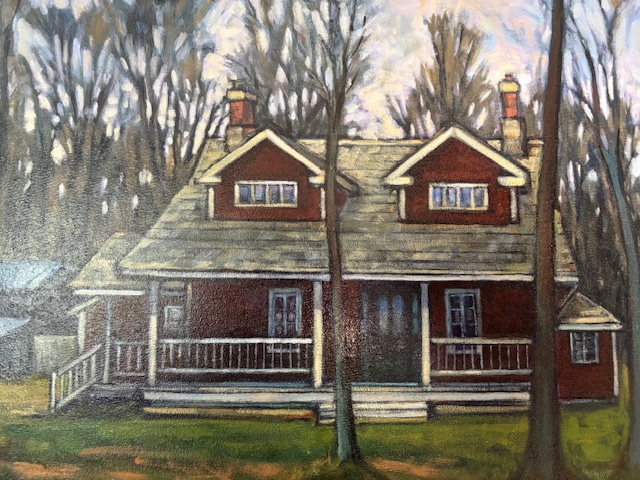
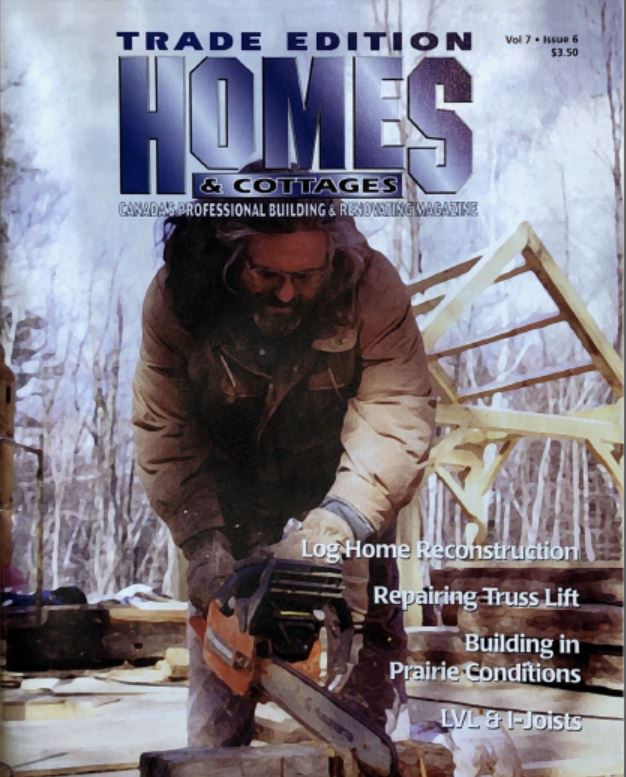
In April of 1994, Catherine, and her-then husband, purchased a log structure at an auction that was held on the site of the original home in Toronto. A developer had bought the property, and it wasn’t until they realized what was under the clapboarding and behind the plaster that the city withdrew the demolition permit and re-granted a dismantling permit. It was then classified as “one of the oldest residential structures in Toronto, dating back to the early 1800s.”
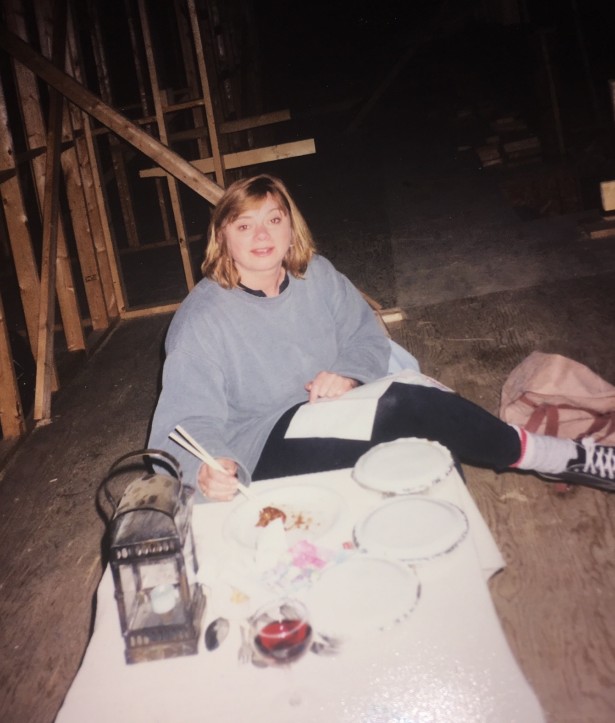
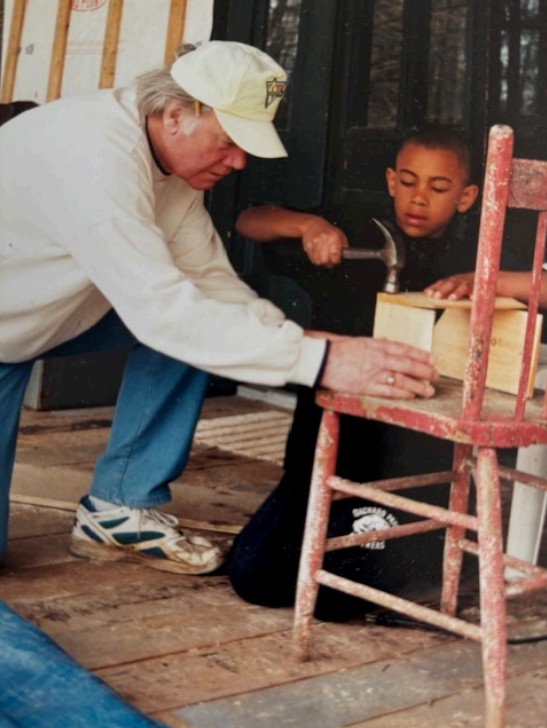
Enter Habitat for Humanity and the Daley’s. Volunteers for Habitat helped to disassemble the whole home – log by log, brick by brick, and board by board. Each log was numbered, as were the windows and doors against a floorplan. However, there was bit of a glitch, as the Daley’s didn’t have a property to move it to. Catherine spoke to the owners of a farm near Stouffville, and the logs were moved and tarped in a corral, all the floor boards, windows, doors, interior finishes, cupboards, etc. were moved into the barn, and the bricks remained on skids where they were placed in a field, (and later sank the following spring). Once the Daley’s found the ideal piece of land after a year-long search, everything had to be moved a second time.
Mary Denoon was 89 when the house was taken down. The Daley’s invited her to the wrap-up party, along with the volunteers of Habitat. She had never met them before when they showed up at her door with their two children. Her answer to the invitation was, “Let me get my cane.”
For the next few years Mary accompanied the Daley’s on their journey, often staying with them while the house was still under construction. Mary Denoon died at the age of 92. She can also be credited for saving old newspaper articles and photos, and was once a member of the Toronto Historical Society. When Catherine bemoaned the fact that some of the original materials and found historical objects were removed by subsequent owners, Mary said, “The history of a home includes all of the families that lived in it, and the changes that they made to it.”
Mary’s half-sister, Jeanne Minhinnick, wrote a book called At Home in Upper Canada, and helped to recreate the interior decoration in the likes of Upper Canada Village, Dundurn Castle and The Grange.
Mary and Jeanne’s parents had sold the original house to Dora Mavor Moore in 1938, one of the early pioneers of Canadian Theatre. Since 1979, the Dora Mavor Moore awards celebrate the best in Toronto’s performing arts.
The video on this page is a compilation of photos and videos that were taken during the resurrection. Most of the collected materials have been passed on to the current owners, and their website accurately depicts much of the history. Visit AllbrightLane.com